The Gastronaut arriving in Sardinia with a project of the Chamber of Commerce of Cagliari. The journalist David Paolini Romagna, which for years accompanying readers and listeners of Radio 24 and Sole24Ore through the typical dishes of the beautiful country, has traveled the routes of the South Island. These
culinary journey - and more - are now available for free through a dedicated link from the website of the Chamber of Commerce of Cagliari dedicated to tourism and food and wine quality (www.hospitalitysardinia.com ) that port and curious tourists around the discovery of the south of Sardinia. The "Routes of Davide Paolini" are a sort of online help with cultural and gastronomic paths written in the style of "Gastronaut" and hosted on the pages of Sole 24 Ore and on Radio24.
www.hospitalitysardinia.com / itineraridavidepaolini
SARDINIA SOUTH TOURS TASTE OF DAVID PAULINE PREFACE
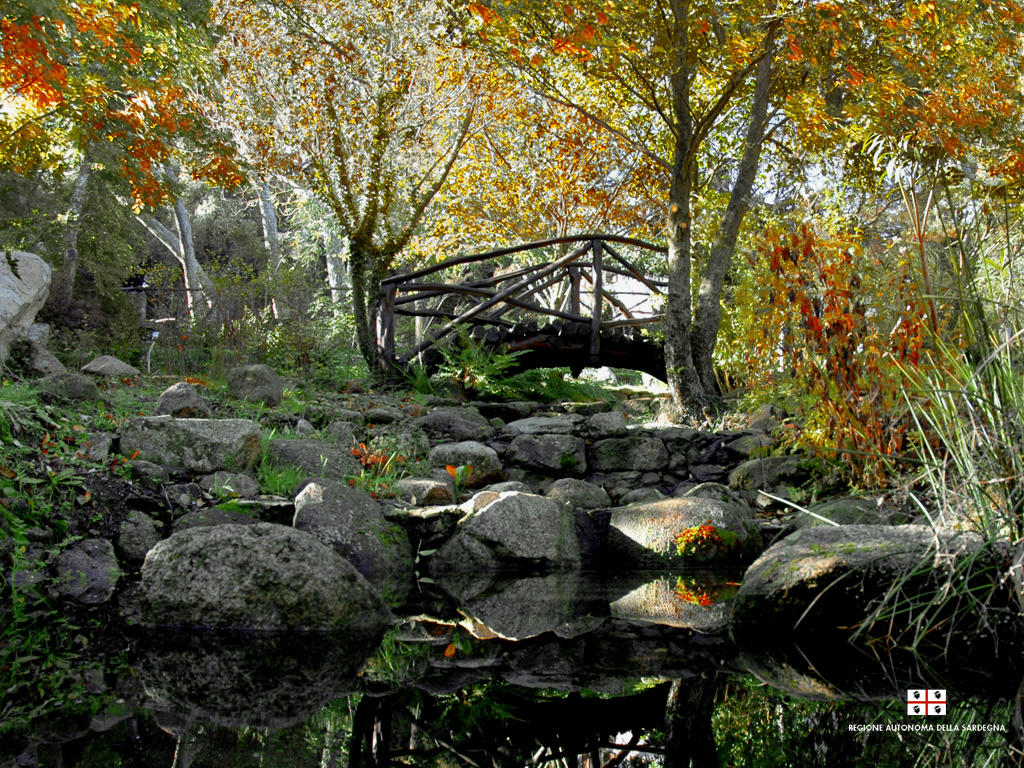
It 's a time track that undertaken for us by the famous gastronaut Davide Paolini through Sardinia in the south. Cibovagando, to use a term dear to him, visited villages, towns, rural areas experienced flavors and fragrances, browsing and creating for us a number of routes. With this transposition web we tried to keep intact as much as possible the spirit with which these tests a small diary, were written. The choice of photos and color is made with the aim to evoke the landscapes and the products mentioned, in order to recreate as much as possible, his experience. A journey that is good revive reading his impressions, but above all we hope it can serve as a stimulus to go over in person. good trip Davide Paolini
profound knowledge Food and lover of the wonders of our country, is the author of books and wine guides. For fifteen years working with the Sunday edition of Il Sole 24 Ore. Radio 24 has led to 'We like', and then devote himself entirely to the book 'Gastronauta'. south-west Sardinia SULCIS
Earth abrebaroi , or shamans, who for centuries have been passing on the art of healing with medicinal herbs and medicinal living beings, be they humans, animals or plants. This is the magic Sulcis , a region that takes its name from the ancient city of Sulci, signs of which remain on the island of S. Antioco. Covered with a wild macchia mediterranea, impreziosita da giochi di contrasti fra i paesaggi d'acqua e di roccia, possiede un'eredità di tradizioni che gli deriva da un intreccio di culture diverse (fenici, punici, romani, liguri...). Un melting pot che trova espressione perfetta nella cucina locale che annovera fra le sue prelibatezze la cashcà (cuscus tabarchino) , la focaccia genovese , robusti piatti di montagna conditi con erbe aromatiche e saporitissime pietanze di mare .
Sono però i vini il fiore all'occhiello del Sulcis: tra i vitigni più pregiati bisogna sicuramente ricordare il Carignano che può fregiarsi della denominazione of origin. The wine made from it stands out in a red wine with fruity and floral taste and a dry rosé.
Carbonia Carbonia
is a young city that has birth and name to the discovery of coal mine-Sirai Serbariu. Inaugurated in 1938 by Mussolini, the time of the brightest economic third of its 60 000 inhabitants found employment possibilities in mining. Remain in memory of those past housing for miners and backbone of a city plan designed according to the canons of fascist time. I find the same style theater, town hall,
the church, the tower Fascist and large fountains in the main square.
Su un colle appena fuori la città, visito il parco archeologico di Monte Sirai , dove passeggio fra i resti di una fortezza fenicio-punica. Da quassù lo sguardo attraversa le pianure ed arriva fino al mare.
San Pietro
Risalgo verso Portoscuso dove prendo il traghetto per l'isola di San Pietro. Dopo circa mezz'ora di traversata vedo il suo profilo collinare all'orizzonte e progressivamente le pittoresche abitazioni di Carloforte, una sequenza di palazzi del Settecento e dell'Ottocento, dai diversi stili e colori. Appena metto piede a terra e mi inoltro nelle viuzze del centro cittadino, vengo colto dalla sensazione di essere altrove, non in Sardegna. Colgo stralci di speeches in Genoa between the old men sitting on benches under the palm trees, I see typical wrought-iron balconies and hanging out on the menus of restaurants I read about couscous dishes. Finally I find an inscription in a public square that commemorates and explains the history of this curious fact in Sardinia. It is said that in 1738 Charles Emmanuel III granted the island to the descendants of a group of Ligurian originating Pegli who resided in Tabarka, Tunisia. '500 Sent there in order to exploit the rich coral reefs, more than two centuries after they were again reduced to slavery, the king thought it well to send them to St. Peter, the pirates to remove an important base of support. . . . . So in this enclave
Genoa I happen to enjoy a cuisine that makes the fusion of cultures and traditions of its strength: the Fainè chickpea sauce and pesto from Liguria are clear, the helmet of Arab origin (couscous) and pasta with campidana beans and spawning. The roe of tuna, sliced \u200b\u200bon bread or grated on pasta, is a delicacy that I let slip. Among the local pasta mention goes to Cassoli (dumplings similar to malloreddus) and raiêu (ravioli).
tabarkino After the feast, I leave the country and along the road salt, place of refuge for flamingoes. Then along the coast, between the rocks carved by wind and turquoise waters, discover beautiful beaches and coves wild and exotic. Cala Fico is at the heart of a protected LIPU, among the creeks and the Red Vinagra, protecting the Falco eleonorae that each year migrate from Madagascar and nests in the crevices of this rocky coast. The sea is full of valuable fish and tuna, most purchased from the Japanese. . . . .
in La Punta, on the northern island, is the trap. A sought-after fish this event is dedicated Girotonno, one of the most important cultural events and food and wine of the south-west of Sardinia, which is held in Carlisle in early summer. I also report the Festival of Couscous Tabarkini that promotes another typical dish of the island of San Pietro.
Sant'Antioco
Riprendo il traghetto, ma questa volta la destinazione è Calasetta, sull'isola di Sant'Antioco. Anche qui sono presenti tracce della cultura e tradizione tabarkino-genovese. Dal porto vedo il paese adagiato sopra una collina, so che vi trova sede una delle più antiche cantine sociali della Sardegna, la cantina di Calasetta che produce un ottimo Carignano.
Vago per l'isola, dove è un susseguirsi di calette e scogliere di roccia vulcanica su un mare turchese. A sud vedo gli isolotti del Vitello, della Vacca e del Toro. Ovunque la palma nana, remota presenza in questo territorio, arricchisce di fascino i paesaggi isolani.
Nella città di Sant'Antioco non manco a visit to wineries in Sardus Pater, whose wines originated from an ancient vine led perhaps by the Phoenicians in Sardinia. I taste the red and rosé Carignan and Muscat dessert.
these parts is the tradition of weaving fine linen, a natural marine fiber derived from the manufacture of filament obtained from the slime of the largest of the Mediterranean mussel, clam said.
Tratalias
Sant'Antioco from passing through the isthmus of the lagoon of S. Catherine to go back on the Big Island and, before arriving in the town of Tratalias crossing the Cathedral of Santa Maria, an example of Pisan Romanesque architecture dating back to 1213. Around the church are the remains of the ancient medieval village. Abandoned in the 70's, the town was rebuilt with a higher share due to the infiltration of water in the basin of Mount Pranu. Just outside the town, near a pine forest, visited the dam with the dam on the Rio Mannu, has created the artificial lake of Mount Pranu. On its banks is the village Nuraghe Nuraghe Is Meurras and a bastion of the same name formed by four towers, connected by a walkway, including one almost entirely on two floors.
In the surrounding fields are cultivated prickly artichokes, ingredients of different culinary preparations which give an intense and determined. But it 'sa trattalia' a traditional dish of these places: a stuffed goat or lamb gut with heart, liver, lung, spleen, and crispy roasted on the grill.
Santadi
before heading to the coast to the south, Santadi step, a farming town located among forests of oaks and Punic ruins, divided into two groups from Rio Mannu, and Santadi Basciu Santadi 'and Susu. The country is also one of the most important wine of the area and hosts the Cantina Sociale di Santadi, most famous for the production of Carignano Sulcis, full-bodied red that has obtained the designation of origin and was the winner of numerous national awards and international.
Each year in August is celebrated the 'Mauritanian Marriage', a beautiful wedding ceremony officiated in the traditional agro-pastoral. The bride and groom wearing traditional robes and climb up is traccas, adorned with flowers and the cart pulled by oxen, who leads them, followed by a procession of relatives and friends, the central square of the country of the rite. After the religious ceremony, the parents spread the spouses 'sa gratzia', rose petals, grains of wheat, grains of salt and coins while mothers grinding plates, all as a wish for happiness and prosperity .. . . .
6 km from Santadi Zuddas visit the caves, created by karst phenomena that have shaped the entire territory. I remain impressed by the spectacle that nature has set up here: salt aragonite, stalagmites, stalactites, and other lava formations created surreal scenes. Nearby is also the area of \u200b\u200bnatural Gutturu Mannu, a ravine between the mountains of rugged beauty that borders the reserve of Monte Arcosu.
Porto Pino
take the SS293 in a southerly direction through Giba and point straight towards the coast. I expect the beach and lagoon of the Gulf of Palmas Porto Botte. An almost uncontaminated nature is at home to herons, flamingos, osprey, purple gallinules, piro-piro and ash.
up towards the hinterland and take the SS195 to Sant'Anna Arresi where right turn towards the sea. I expect the long white beaches of Porto Pino, with its dunes and lagoons, refuge of pink flamingos. The water is clear and iridescent colors. I take a path that winds through the Mediterranean to reach the reef Candiani, where the erosion of the rocks has created beautiful natural pools. In the area, on the promontory of Punta Menga, there is also a forest of Aleppo pines, a rare variety Syrian-Lebanese. According to legend, the pine forest has grown up a Phoenician city buried by sand. The Phoenicians probably planted pines on the coast of Porto Pino to obtain wood for boats.



 Today on the portal of tourist promotion of '


 "
"


 For the New Year's Eve Dinner
 Oggi sul portale di promozione turistica dell'